Verified podcasts, video, audio, interviews and debates from approved sources.
Douglas Hamp challenges a popular pre-tribulation argument by tracing covenant and marriage imagery from Hosea through Romans, Ezekiel, Matthew 24, and Revelation. He argues for one restored people of God and distinguishes persecution from divine wrath.
Joel Richardson argues from Romans 9–11 that supersessionist readings ignored Paul’s warning against Gentile arrogance. He traces how replacement theology contributed to Christian anti-Jewish contempt and calls the church to humility, repentance, love for the Jewish people, and faithful witness to Israel’s Messiah.
Douglas Hamp reflects on losing a friendship while pressing a rapture doctrine and uses Genesis 1:1–6:8, Isaiah 42–43, John 1, and Revelation 22 to argue that fellowship with God and one another should not be displaced by policing another person's conscience. This is presented as Hamp's pastoral teaching and personal perspective.
ONE FOR ISRAEL interviews Seth about his family's aliyah story—from a relative's move from Poland in the 1930s to his own move from New Jersey—and discusses survival, belonging, antisemitism, Jewish return to the land, Romans 11, and life in modern Israel. The biblical and political conclusions are presented as the participants' Messianic ministry perspective.
This Bible study traces Jeremiah’s new-covenant promise to Israel and Judah through the Last Supper, Hebrews, Ephesians, and Romans, examining Gentile inclusion, what Hebrews means by ‘obsolete,’ and the relationship between present fulfillment and Israel’s future restoration.
In this interview, theologian John Peckham argues that petitionary prayer can genuinely matter to how God acts, while discussing divine responsiveness, human freedom, unanswered prayer, and the tension between biblical depictions of God and classical theism.
First Fruits of Zion introduces a Messianic Jewish reading of Jesus’ conversation with Nicodemus, asking why he expected Nicodemus to understand being ‘born again’ and what that implies about the idea’s biblical background.
In this ministry-produced discussion, Dr. Erez Soref and Dr. Seth Postell reflect on visits to Israeli communities devastated on October 7, focusing on remembrance, rebuilding, resilience, and their perspective on spiritual interest among Jews and Arabs.
A Torah Class teaching on Matthew 5:17–19 that argues Jesus’ use of “fulfill” affirms rather than abolishes the Torah and considers what that reading means for believers.
Dr. Erez Soref connects Sukkot with the promised Messianic Kingdom, Israel’s reconciliation with former enemies, and the contrast between the suffering Messiah and the returning King, alongside a Jewish believer’s testimony.
Perfect Word Ministries connects Malachi 3:16 and Revelation 20:13 with the question of how divine remembrance and final judgment should shape daily conduct.
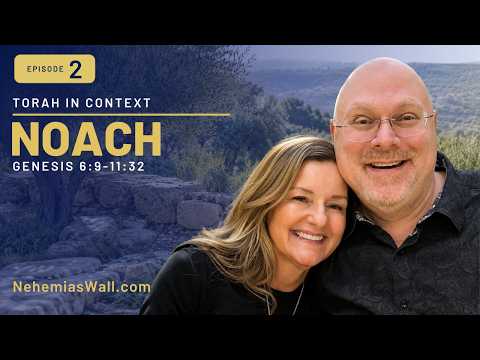
Mark Huey presents a TorahScope lesson on Noach, covering Genesis 6:9–11:32. The publisher identifies this as a 2026 upload of a teaching originally posted in October 2020.
Douglas Hamp interprets the woman in Revelation 12 as the commonwealth of Israel, tracing the theme through Joseph's dream, prophetic texts, Romans 7, covenant restoration, and the wilderness.
Old Testament scholar Carmen Joy Imes examines Bezalel and Oholiab in Exodus 31:1–11 and their role as artisans for the tabernacle.
A documentary-style study argues that Paul retained his Jewish identity, tracing Acts and Paul's letters through Timothy and Titus, the Antioch dispute, statements about being 'not under law,' and his return to Jerusalem.
In this episode 573 excerpt, Messiah Matters argues that treating the New Testament as superior to the Torah and Prophets distorts the biblical narrative. The discussion connects that concern to Marcionism, fulfillment and continuity, Testament terminology, and debates over circumcision and baptism.
Douglas Hamp argues that Revelation 17’s woman should be traced to ancient Shinar and Ishtar–Anzu imagery rather than identified with Jerusalem or Rome, connecting his interpretation with passages in Genesis, Isaiah 47, Ezekiel, and Zechariah 5.
ONE FOR ISRAEL’s Erez Soref speaks with Arab Israeli pastor Shmuel about life in a diverse Messianic congregation and their ministry perspective on unity among Jewish and Arab believers during conflict.
Nehemia Gordon and Lynell Gordon examine the Hebrew wordplay behind Noah’s name, compare flood traditions from the ancient world, and connect the discussion with an Auschwitz account and a warning about recognizing signs in one’s own time.
Messiah Matters discusses how Yom Teruah, Yom Kippur, and Sukkot frame themes of repentance, atonement, kingship, and future hope in a Messianic reading of the fall festivals.
J.K. McKee recounts his family’s path into the Messianic Jewish movement and ministry, offering an autobiographical perspective on service within the wider Messianic community.
In this theological perspective, Douglas Hamp presents six Scripture-based questions challenging dispensational distinctions between Israel and the church. He focuses on New Covenant participation, Gentile inclusion, the two houses of Israel, and the gathering of believers.
Founded in Truth presents part nine of its Image Bearer series, a teaching on biblical language about seeing God's face within its October 10 fellowship service. The main teaching begins around the 55-minute mark after worship, a Torah portion, and announcements.
Douglas Hamp offers an interpretive teaching on Revelation 11, examining the identity, ministry, death, and resurrection of the two witnesses and speculating about how their conflict with the Beast could be perceived by the wider world.
In episode three of Return of the Kingdom, Erez Soref presents ONE FOR ISRAEL's Messianic reading of the Feast of Trumpets and Yom Kippur, connecting Zechariah, Isaiah 53, Israel's future repentance, and the anticipated return of Yeshua.
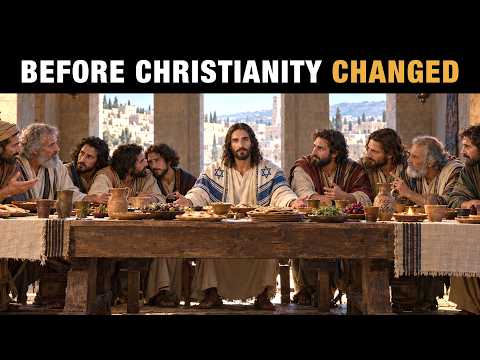
This long-form overview traces how the earliest Jewish Jesus movement became a predominantly Gentile church, covering James and Paul, Jerusalem's destruction, the Bar Kokhba revolt, Nazarenes and Ebionites, and the gradual hardening of communal boundaries through the age of Constantine.
In this commentary excerpt, David Pileggi argues that Zionism contains multiple, sometimes conflicting ideological streams rather than one uniform position, and he highlights a strand that places Jewish interests above Palestinian rights in the West Bank.
In this Deuteronomy 33–34 teaching, Tom Bradford connects Moses’ final blessing with Matthew 5:17–19 and argues that Yeshua affirms obedience to the Torah; he also discusses the tribal blessings and the absence of Simeon.
Josiah and Hosea Geoffrey pair randomly selected passages—including Esther 6 with Leviticus 11, Exodus 14 with Psalm 53, and 1 Samuel 8 with 2 Kings 4—and try to draw connections and practical applications, mixing humor with brief biblical discussion.
Douglas Hamp traces authority from Adam’s dominion through Jesus’ victory to Revelation’s Beast, connecting Genesis, the Gospels, Isaiah 28, and Revelation 6 and 13. He proposes that humanity will voluntarily surrender authority while seeking safety, presenting this as his prophetic interpretation rather than settled fact.
David Pileggi questions whether Christian Zionism must imply a Rapture or Armageddon framework. He suggests the label can also describe Christian concern for the Jewish people and Israel grounded in Israel’s security and democratic traditions, as well as responsibility shaped by Christian antisemitism and the Holocaust.
In this practitioner interview, Shawna Dose describes how a Torah-observant upbringing led her to build Proclaim Music Festival and Rezound, emphasizing community, creative leadership, and spiritual formation.
Torah Class uses a skeletal illustration to argue that readers should synthesize passages in their broader biblical context instead of pitting isolated verses against one another.
A 60-minute Bible study surveying Messianic Judaism through Israel’s covenants, Yeshua’s Jewish identity, the Jerusalem community, Paul, the inclusion of the nations, and debates about Torah practice for Gentile believers.
In this perspective clip, Jerusalem-based pastor David Pileggi urges supporters of Israelis or Palestinians to acknowledge the moral complexity and responsibilities involved, rather than using occasional activism as personal reassurance.
In this brief teaching commentary, First Fruits of Zion argues that Yeshua’s kingdom proclamation did not become obsolete after the cross, but remains rooted in Moses, the prophets, and God’s promises to Israel.
In a clip from Messiah Podcast episode 104, Jacob Fronczak and Chaim Dauermann discuss whether Paul’s phrase “to the Jews I became as a Jew” implies a temporary missionary performance. Dauermann argues instead that faith in Yeshua should deepen, not erase, a Jewish believer’s lived Jewish identity.
Torah Class argues that Bible study should prioritize the text’s original intent and read biblical commands as a unified whole rather than using isolated verses for denominational debate.
ONE FOR ISRAEL reflects on Zechariah’s portrayal of Israel recognizing the pierced Messiah and asks whether the Jewish people’s modern return to the land may be preparing for a future spiritual recognition.
Carmen Joy Imes explains the perfumed anointing oil and incense in Exodus 30:22–38 and how scent marked the tabernacle as holy, with reference to Nahum Sarna’s JPS Exodus commentary.
Douglas Hamp interprets Revelation 10’s mighty angel, seven thunders, and little scroll through Daniel, Ezekiel, covenant, and the restoration of Israel. This is the presenter’s theological perspective rather than a consensus claim.
An evidence-focused overview of recent claims at Turkey’s Durupinar formation, covering soil findings, underground scans, the site’s research history, and what evidence would still be needed to identify it as Noah’s Ark.
Psalm 33 compares Romans 3, James 2, and Galatians 5, arguing that Paul rejects boasting while James rejects inactive faith and that genuine trust is expressed through love and practical help for people in need.
Perfect Word Ministries relates the temporary sukkah—and its dismantling after Sukkot—to Paul’s teaching about life in Yeshua.
In this Exodus 13–14 lesson, Tom Bradford argues that God deliberately drew Pharaoh toward the Red Sea and connects that pattern, as an interpretive teaching perspective, with Ezekiel 38–39 and Armageddon.
Douglas Hamp interprets Revelation 16 and related prophetic passages to explain why the nations gather against the returning Messiah, presenting the argument as an end-times teaching perspective.
John McKee compares features of Jewish, Protestant, and Fundamentalist Christian worldviews and considers how each has shaped—or failed to shape—today’s Messianic community.
Nehemia Gordon presents a Bible-focused teaching on Shemini Atzeret, examining what the biblical text says about this appointed time.
119 Ministries responds to Matt McMillen’s reading of Hebrews 10:26, arguing from the passage’s context that its warning addresses believers and calls them to reject deliberate sin and remain faithful to Messiah.
David Wilber shares an original Sukkot song reflecting on the joy and brevity of the festival—and, by comparison, the brevity of life.
Torah Class presents a prophetic reading of Sukkot, connecting the Feast of Tabernacles with redemption, the coming kingdom, and the millennium, and argues that the appointed times remain relevant to both Jewish and Gentile readers.
Douglas Hamp argues that Revelation 9’s 200 million may be nonhuman creatures rather than a human army, comparing the passage with Joel 2 and ancient manticore imagery while acknowledging that the proposed identification is not explicit in the biblical text.
This video traces Jesus’ answer in Mark 12:28–31 to the Shema in Deuteronomy 6:4–5 and the command to love one’s neighbor in Leviticus 19:18, placing the two commandments in their Torah and Jewish context.
David Vargas discusses his path into Torah observance and how his software background shaped SeedScroll, a Bible-study app designed to support close reading and study workflows.
Daniah and Hanah Greenberg discuss why children need the Bible's connected Genesis-to-Revelation story—not isolated stories—and how adults can model biblical literacy by reading, singing, and living Scripture at home.
Douglas Hamp argues that Revelation 11 describes two individual prophetic witnesses rather than symbols, tracing its imagery to Zechariah 4 and comparing their powers with Moses and Elijah. He presents Moses and Elijah as a possible identification while acknowledging that Revelation does not name the witnesses.
In this Messianic Jewish teaching, Kevin Geoffrey examines John 7 against the final-day traditions of Sukkot and argues that Yeshua used the ritual setting to challenge human tradition and direct attention to himself.
Psalm 33 reads Mark 11’s fig-tree episode alongside Jesus’ Temple action, presenting the fruitless tree as a prophetic sign about outward religious activity without the justice, faithfulness, prayer, and fruit God seeks.
Bible translation scholar Jost Zetzsche joins Dru Johnson to explain how global and sign-language translations can illuminate biblical language, cultural context, interpretation, and teaching, with a practical introduction to the free TIPs database.
ONE FOR ISRAEL presents a Messianic reading of the Tanakh’s recurring theme of people failing to recognize God’s work, connecting promises of covenant, forgiveness, and restoration to Yeshua.
Tom Bradford reads Habakkuk 3:1–4 alongside Psalms, Deuteronomy, and Exodus, arguing that Habakkuk’s confidence in God’s future action rests on recurring patterns of judgment, mercy, and Sinai-like theophany in Israel’s past.
A brief teaching traces the name Yeshua through Greek and Latin into English, explains its relationship to Yehoshua and Joshua, and connects the name’s meaning with Matthew 1:21.
Dr. Carmen Joy Imes examines the bronze wash basin and the women who contributed bronze mirrors in Exodus 30:17–21 and 38:8.
ONE FOR ISRAEL invites viewers to examine Isaiah 40–55 and trace the servant passages for themselves rather than relying only on inherited interpretations.
Caleb Hegg and David Wilber discuss Wilber’s book on 1 Enoch, Jubilees, and Jasher, as well as Wilber’s explanation of how he distinguishes the modern Hebrew Roots movement from Messianic Judaism.
Messiah Matters discusses biblical canon questions and then evaluates an IAMCS characterization of One Law theology as a false gospel, distinguishing Torah obedience from justification by works.
119 Ministries examines whether Yeshua's statement in Matthew 5:18 means Torah passed away with the destruction of Jerusalem or the Temple. The teaching compares Matthew 5:17-19 with 2 Peter 3 and Revelation 21 and argues that heaven and earth have not yet passed away, so Yeshua's statement supports the continuing authority of God's Torah.
Luke Rogers examines the cost of knowing God, obedience, fellowship with God, and the contrast between biblical discipleship and what he describes as modern Churchianity.
Messiah Matters continues its review of the IAMCS “One Law, Two Sticks” paper, considering its proposals for Jewish-Gentile unity and whether its treatment of Gentile Torah observance creates an unequal covenant posture.
119 Ministries uses a short debate format to examine Romans 3:28 and the claim that justification by faith abolishes God's law, distinguishing justification from the believer's subsequent life of obedience.
David Wilber follows up on his Acts 15 debate, responding to objections and explaining why he believes the Apostolic Decree required Gentile believers to keep commandments drawn from the Torah.
Caleb Hegg works through definitions of the Hebrew Roots movement and compares related streams including Seventh-day Adventism, Sacred Name teaching, Two House theology, and other Torah-movement identities.
Caleb Hegg examines competing definitions of the Torah movement and responds to a critique of One Law theology, focusing especially on how Torah obedience relates to salvation and grace.
119 Ministries examines how believers can honor Unleavened Bread, Shavuot, and Sukkot when literal pilgrimage to Jerusalem is not possible, drawing on Torah provisions and diaspora practice.
Jacob Fronczak talks with D. Thomas Lancaster about Yeshua’s call to obedience, Paul’s use of 'works of the law,' faith as allegiance and faithfulness, and how reading Paul within a first-century Jewish context can resolve apparent tension between Paul, James, and the Gospels.
Caleb Hegg interviews Harold Rosin about his study of divorce across the Tanakh and Apostolic Scriptures, culminating in a discussion of Yeshua’s words in Luke 16:18.
Tree of Life Bible Society addresses the continuing place of Israel in God's purposes. The episode is a strong fit for The Messianic Report's Messianic section because it directly engages Israel, covenant continuity, and Christian interpretation of Israel's role.
Seed of Abraham Fellowship's Shoftim teaching uses the weekly Torah portion to connect God's law with objective moral judgment. It represents the fellowship's broader emphasis on reading the whole Bible as continuing instruction for believers in Yeshua.
First Fruits of Zion considers Yeshua's relationship to the nations and the place of Gentiles within the biblical story. The video is retained as a current teaching item because Gentile inclusion, Israel, and Jewish-Gentile identity are central The Messianic Report themes.
Torah Class returns to the Exodus plague narrative and the turning of the Nile to blood. The video is a current Torah-text teaching centered on the Exodus story rather than a general ministry update or promotional clip.
Messianic Apologetics addresses the recurring question of whether Paul's letters oppose the Torah. The teaching places Paul's letters in their first-century settings and argues that difficult Pauline passages should not be read as a blanket rejection of the Law of Moses.
D. Thomas Lancaster and Jacob Frank examine Yeshua’s teaching on repentance, the kingdom of heaven, parables, speech, and judgment in its first-century Jewish context, emphasizing that biblical repentance involves turning back to faithful obedience rather than merely changing one’s opinion.
Carmen Joy Imes continues her Torah Tuesday study of Exodus 29, focusing on the ordination rites for Israel’s priests and the covenantal meaning of consecration in the tabernacle context.
The Life Podcast discusses how biblical feast days can be practiced as family-centered outreach while remaining rooted in Torah-observant faith and discipleship.
New teaching resource from Douglas Hamp: America’s Bond Market Is Flashing Red Could This Be the First End Times Domino.
New Torah-positive resource from Restoration Messiah: I Will Not Be Silent | Bill Cloud | Nitzavim/Vayelech.
New Torah-positive resource from Stephanie Pavlantos / Grafted: Living Waters: Falling Deeper in love with God's Word.
New Torah-positive resource from Corner Fringe Ministries: Unmasked.
New Torah-positive resource from Restoration Messiah: 9/5/26 Romans Pt 41 – How One Body Functions – Romans 12:6-21.
New Torah-positive resource from Messianic Apologetics: A Summarization of Yom Teruah/Rosh HaShanah Traditions.
New teaching resource from Torah Class: Are The Plagues Of Revelation Meant To Be Taken Literally?.
New Torah-positive resource from Corner Fringe Ministries: Live Steam – Shabbat Service 09/05/26.
New teaching resource from First Fruits of Zion: Should Christians Support Rebuilding the Temple? | FFOZ Reacts! 62.
New Torah-positive resource from Corner Fringe Ministries: The Book Of James (Part 26) – The Existence of Torah Before Mt. Sinai (Pt B).
New Torah-positive resource from Finding the Ancient Path: Walking in the Spirit What does this mean?.
New teaching resource from Douglas Hamp: What Is the Scroll in Revelation 5? The Mystery That Made John Weep (FULL TEACHING).
New teaching resource from Joel Richardson: What is the Everlasting Covenant?.
New teaching resource from Joel Richardson: Is Jesus Already Reigning on David’s Throne? Paul's Message in Pisidian Antioch.
New messianic resource from ONE FOR ISRAEL: Return of the Kingdom, Episode 1 – A Nation Reborn.
New Torah-positive resource from Messianic Apologetics: Rosh HaShanah – FAQ.
New Torah-positive resource from Finding the Ancient Path: The Answer to the ONE question that Paul deniers could not answer.
New teaching resource from Douglas Hamp: The Forgotten Division That Explains the Whole Bible.
New teaching resource from The 33rd Psalm: The Secret Inside Enoch’s Name.
New messianic resource from Messiah Matters: 00 – TorahResource Academic Conference Introduction – Caleb Hegg.
New messianic resource from Messiah Matters: 01 – A Jewish Rabbi Sent to All the World – Carl Knaack.
New messianic resource from Messiah Matters: 02 – What Is Becoming Obsolete: Understanding Hebrews 8:13 – Tony Robinson.
New messianic resource from Messiah Matters: 03 – From Ethnic Boundaries to Apostolic Breakthrough – Jessie Bass.
New Torah-positive resource from Messianic Apologetics: A Summarization of Yom Kippur Traditions.
New Torah-positive resource from Wisdom in Torah: Archaeology of the New Testament & Revelation | Rico Cortes with Prof. David deSilva.
New messianic resource from ONE FOR ISRAEL: The Biblical Meaning of Rosh Hashanah | The Feast of Trumpets & Yeshua.
New teaching resource from Douglas Hamp: The First Horseman Starts Human—But Becomes Something Else (Revelation 6).
New messianic resource from Messiah Matters: The Will Is Not as Free as You Think.
New research resource from Carmen Joy Imes: Torah Tuesday – Exodus 30-31 (Unsolved Mystery).
New teaching resource from First Fruits of Zion: What 175-Year-Old Photographs Reveal About Israel | Doug Hershey | Messiah Podcast 102.
New Torah-positive resource from Messianic Apologetics: A Summarization of Sukkot Traditions.
New Torah-positive resource from Wisdom in Torah: Leviticus Explained: Why This Book Is Essential to Understanding the Bible.
New teaching resource from Torah Class: This Is the One Thing You Give God and What He Gives Back Is Bigger.
New teaching resource from Seed of Abraham Fellowship: Torah Portion – Ki Tavo | Added To, Not Null and Void – And There's Only One Way In.
New Torah-positive resource from Finding the Ancient Path: What About the Gentiles?.
New Torah-positive resource from Restoration Messiah: Acts 8 | Randy Edmunds | Jacobs Tent.
New Torah-positive resource from Messianic Apologetics: Book of Jonah – Survey of the Holy Scriptures Study.
New research resource from The Biblical Mind: Christians and Global Conflict: Navigating Faith and War (Austin Knuppe) Ep. #269.
New messianic resource from Tree of Life Bible Society: Have We Gotten the Rapture All Wrong? | TLV Talk #119.
New Torah-positive resource from Corner Fringe Ministries: Live Steam – Yom Kippur 09/21/26.
New Torah-positive resource from The Life Podcast: Make Males Men Again! with Bear Independent (TJ Morris) | Ep. 136.
New messianic resource from Messiah Matters: One Law, Two Standards.
New messianic resource from Life in Messiah: Rosh Hashanah: What's the Real Meaning?.
New teaching resource from The 33rd Psalm: The Bible Never Calls Rosh Hashanah “The New Year”.
New Torah-positive resource from Wisdom in Torah: The Bible’s Most Serious Judgment? | Rico Cortes & Dr. Donald J. Wold.
Joel Richardson teaches from Acts 14 at Lystra, focusing on Paul's message that disciples enter the kingdom of God through many tribulations.
New teaching resource from Douglas Hamp: When the Red Horse Rides, Global Peace Ends (Revelation 6).
New Torah-positive resource from Finding the Ancient Path: Why do you call Him Lord and not do what He says? A new series!.
New Torah-positive resource from 119 Ministries: 119 Ministries Mid-Year Update 2026.
New Torah-positive resource from Messianic Apologetics: Featured Book: Acts 15 for the Practical Messianic – McKee Moment.
New teaching resource from Douglas Hamp: Iran Was Invited Into a New Alliance—Is Ezekiel 38 Taking Shape.
New Torah-positive resource from Corner Fringe Ministries: Jesus Is NOT God?.
New Torah-positive resource from Stephanie Pavlantos / Grafted: Living Waters.
New messianic resource from Perfect Word Ministries: Samson and Delilah: How Ungodly Influences Wear Us Down.
New teaching resource from Joel Richardson: The Convergence: Why Radical Islam, Democrats, Occultists, Woke Right, Nazis, & Russia are Uniting.
New messianic resource from Messiah Matters: When Church History Proves Too Much.
New teaching resource from Torah Class: 4 Already Fulfilled — 3 Still Coming | The 7 Biblical Feasts, Part 1.
New Torah-positive resource from Restoration Messiah: Rosh Hashanah/Yom Teruah/Feast of Trumpets Service.
New Torah-positive resource from Messianic Apologetics: Shabbat Shalom! 12 September, 2026 – McKee Moment.
New teaching resource from Douglas Hamp: The Black Horse Brings a Global Famine—But What Causes It Revelation 6.
New Torah-positive resource from Finding the Ancient Path: The Feast of Trumpets the Sound of the Second Coming.
New research resource from Carmen Joy Imes: Welcome to my channel!.
New teaching resource from Joel Richardson: Will Israel Become Saudi Arabia's Unlikely Savior?.
New Torah-positive resource from Restoration Messiah: Yom Teruah Celebration | Bill Cloud | Shabbat Service.
New Torah-positive resource from Corner Fringe Ministries: Yom Teruah: Blow the Trumpets.
New Torah-positive resource from Finding the Ancient Path: A Trumpets Virtual Holy Convocation.
New Torah-positive resource from Restoration Messiah: Feast of Trumpets 2026 – Fri & Sat Teachings.
New Torah-positive resource from Corner Fringe Ministries: Live Steam – Yom Teruah Service 9/12/26.
New Torah-positive resource from Messianic Apologetics: The Archives – McKee Moment.
New teaching resource from Founded in Truth: Yom Teruah and Hannah's Prayer | Yom Teruah 2026.
New messianic resource from Messiah Matters: A Heavenly Torah Behind the Written Word.
New teaching resource from First Fruits of Zion: Did Jesus Reject Israel? | FFOZ Reacts! 63.
New Torah-positive resource from 119 Ministries: How to Be Saved | The Bible's Answer.
New teaching resource from The 33rd Psalm: Join Psalm 33 | Channel Membership.
New Torah-positive resource from Finding the Ancient Path: Self Denial and Death A Prerequisite for following Yeshua.
New Torah-positive resource from David Wilber: The Book of Enoch Says Enoch is the Messiah.
New Torah-positive resource from Messianic Apologetics: The New Mission? – McKee Moment.
Joel Richardson explores Yom Teruah, the biblical trumpet theme, and its relationship to biblical hope and the return of Messiah.
New teaching resource from Douglas Hamp: This Feast Changed How I See the Rapture.
New teaching resource from Seed of Abraham Fellowship: Torah Portion – Nitzavim & Vayelech | "God's People" Isn't What You Think — It's a Contract.
New teaching resource from Douglas Hamp: Why Did Jesus Have to Die? 7 Things His Death Changed | Full Teaching.
New messianic resource from ONE FOR ISRAEL: Yom Kippur: Why Do We Need a Mediator? – Pod For Israel.
New messianic resource from Messiah Matters: 04 – Paul's Attitude Toward the Jewish Calendar – David Wilber.
New Torah-positive resource from Messianic Apologetics: Biblical Festivals – FAQ.
New teaching resource from Torah Class: Everyone Has God's Moral Code Written Inside Them — So Why Do Some Tyrants Act Like They Don't?.
New teaching resource from First Fruits of Zion: How Cheap Grace Convinced Us Obedience Isn't Necessary.
New Torah-positive resource from Corner Fringe Ministries: Live Steam – Shabbat Service 09/19/26.
New teaching resource from The 33rd Psalm: The Most Terrifying Thing Jesus Said (That We Misunderstand).
New messianic resource from Messiah Matters: The Sabbath Was Never Changed.
New research resource from Nehemia's Wall: The Truth about Yom Kippur – What the Bible Really Says.
New teaching resource from Douglas Hamp: This Will Cause the Greatest Earthquake in Human History.
New research resource from Carmen Joy Imes: Torah Tuesday – Exodus 30:1-10 (Incense).
New teaching resource from Joel Richardson: Why Alexander Dugin Wants You to Believe Zionism Is Satanism: Interview with Ali Siadatan.
New Torah-positive resource from Finding the Ancient Path: You Cannot Be My Disciple Unless you Hate…..
New Torah-positive resource from 119 Ministries: 119 Ministries — Continuous Teaching Stream | Live 24/7.
New Torah-positive resource from Finding the Ancient Path: Finish WHat You Start or don't start at all!.
New Torah-positive resource from Messianic Apologetics: How Do the High Holidays Lead Us Into the Kingdom? – Messianic Faith.
New Torah-positive resource from Messiah Matters: Show #573 – Does Baptism Replace?.
New teaching resource from Douglas Hamp: This is Why Pale Horse Does NOT Kill 25% of Humanity? (Full teaching).
New Torah-positive resource from Wisdom in Torah: What Really Happened During the Biblical Holy Convocations? | Rico Cortes & Joseph Good.
New research resource from Nehemia's Wall: Yom Teruah – Hebrew Fundamentals.
New Torah-positive resource from Restoration Messiah: Acts 9 | John Speer | Jacobs Tent.
New messianic resource from Perfect Word Ministries: BCP Mini | How Yeshua's Blood Nullifies Our Sin – A Messianic Jew Explains.
New Torah-positive resource from Messianic Apologetics: Book of Micah – Survey of the Holy Scriptures Study.
New research resource from The Biblical Mind: Can You Be Responsible for Someone Else’s Sin? Systemic Sin & the Bible (Andy Everhart) Ep. #270.
New Torah-positive resource from Finding the Ancient Path: Forsake Everything or you cannot be my Disciple.
New teaching resource from Torah Class: God Made What Saved Israelites Available to All Humanity Through Jesus – If You Actually Apply It.
New Torah-positive resource from Messianic Apologetics: Is Non-Jewish Torah Observance Really Provoking Jews to Jealousy?.
New messianic resource from Messiah Matters: Messiah Matters #573 – Does Baptism Replace?.
New teaching resource from Aleph Beta: Noah's Prayer.
New Torah-positive resource from The Life Podcast: The Antidote to Modern Dating, Hookup Culture, & Self Obsession with Brayden Waller Ep. 137.
New teaching resource from Douglas Hamp: This Will Happen After Armageddon.
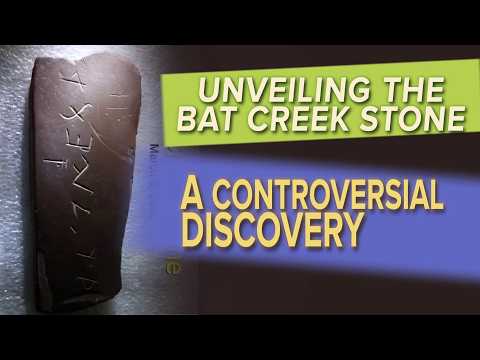
New research resource from Nehemia's Wall: Unveiling The Bat Creek Stone: A Controversial Discovery – NehemiasWall.com.
New messianic resource from ONE FOR ISRAEL: Wash Me Clean – Kabseni – Worship from Israel SOLU.